Fruit tree pests and diseases: what to look for
Common fruit tree pests and diseases, including fruit fly, codling moth, aphids, scale, leaf curl and brown rot, and gentle ways to manage them.
Every orchard has pests and diseases. The aim isn't to have none, but to spot problems early, keep them in check and look after the beneficial insects, including bees, that do much of the work for you.
Walk your trees weekly
A short walk through the orchard each week, looking under leaves and at new shoots, fruit and the base of the trunk, is the best pest control there is. Small problems found early are far easier to manage. Snap a photo of anything odd as you go and sort it into the right tree's record later.
Common pests
- Fruit fly: small holes or soft spots in ripening fruit, with maggots inside. Use traps to monitor, net trees or bag fruit, and pick up and destroy all fallen and infested fruit (seal it in a bag in the sun, don't compost it).
- Codling moth (apples and pears): grubs tunnel to the core. Use traps, band trunks with corrugated cardboard to catch grubs, and remove infested fruit.
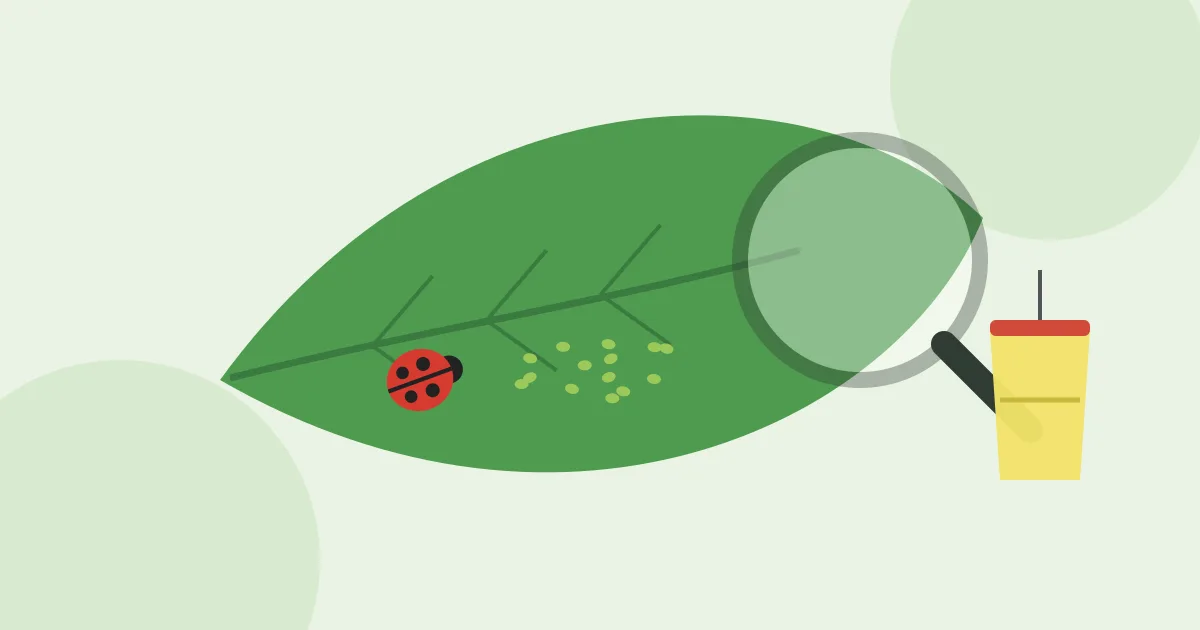
- Aphids: clusters on new shoots, curled leaves. Ladybirds and hoverflies usually catch up; a strong jet of water or soap spray helps in bad cases.
- Scale: small bumps on stems and leaves, often with sooty mould and ants. Horticultural oil smothers them.
- Birds, possums and flying foxes: netting is the most reliable answer. Use wildlife-friendly netting with a fine mesh that animals can't get tangled in.
Common diseases
- Peach leaf curl: thick, red, blistered leaves in spring. It must be prevented with a copper spray at bud swell in late winter; once you see it, it is too late for that season.
- Brown rot (stone fruit): fruit rots on the tree with grey-brown spores. Remove mummified fruit, thin crowded fruit and keep the canopy open.
- Black spot / scab (apples and pears): dark, scabby spots on leaves and fruit. Clean up fallen leaves and choose resistant varieties.
- Collar rot (citrus and others): oozing, cracked bark at the base of the trunk. Keep mulch and soil away from the trunk and improve drainage.
Let biodiversity help
An orchard with only fruit trees and bare ground or mown grass is easy work for pests. A more varied garden brings in the predators that eat them: ladybirds, lacewings, hoverflies, parasitic wasps, spiders, birds, frogs and lizards.
- Plant flowering herbs and natives with small flowers (alyssum, coriander, dill, fennel, yarrow, native daisies and grevilleas) near the trees to feed beneficial insects through the year.
- Leave some areas unmown or let a cover crop flower.
- Provide water, rocks, logs and dense shrubs for shelter.
- Go easy on broad-spectrum sprays, which kill predators as well as pests and often make the problem worse a few weeks later.
Gentle first, stronger last
- Prevent: healthy trees, good airflow, clean-up, resistant varieties.
- Physical controls: nets, bags, traps, bands, picking off by hand.
- Soft sprays: horticultural oils, soaps, sulphur, copper, applied at the right time.
- Stronger products only when needed, following the label exactly, and never on open flowers while bees are foraging.
Record what you see and what you do, with photos. Over a few seasons you will learn when each problem turns up on your place and be ready for it. Trees n Bees suggests organic care for the crops you grow each month, from fruit fly traps to leaf curl sprays, and its spray diary keeps the product, rate, target and the weather at the time.