
Summer fruit tree care: water, heat and harvest
Summer fruit tree care for December to February: watering in heatwaves, sunburn, netting, fruit fly, storm damage, harvest timing and summer pruning.
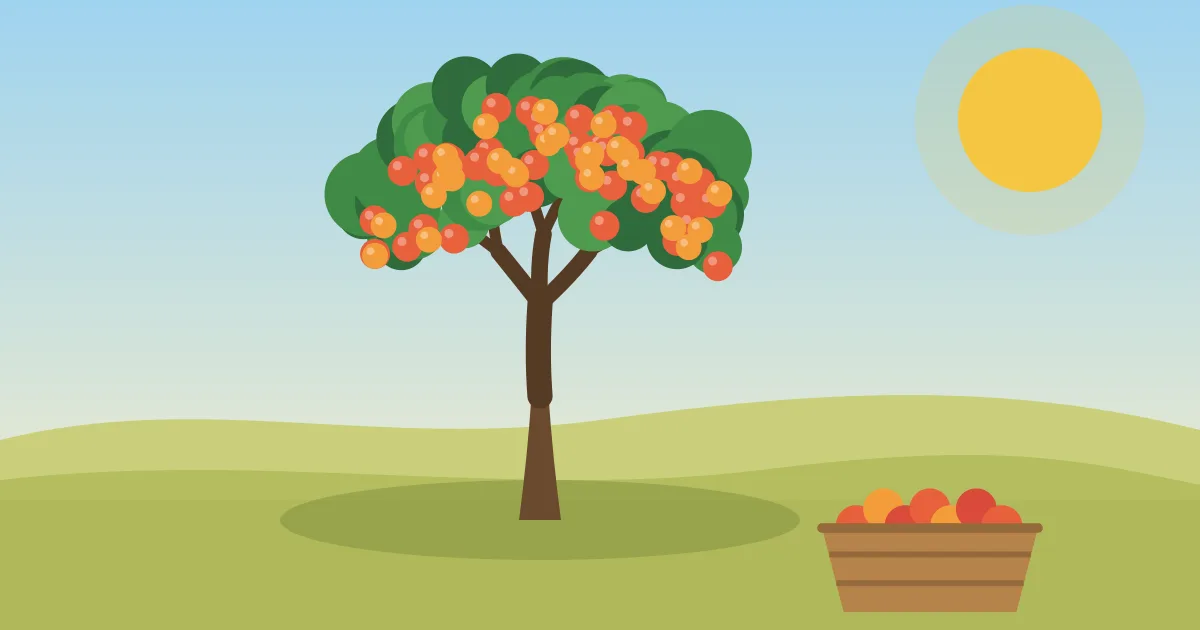
Summer (December to February in southern Australia) brings the first big harvests, along with heat, dry spells, storms and hungry wildlife. The focus now is keeping trees watered and protected so the fruit makes it to your table.
Water comes first
- Water deeply and regularly. Fruit is swelling, and dry stress now means small fruit, splitting or fruit drop.
- Water in the early morning or evening to cut evaporation.
- Before a heatwave, give every tree a deep soak the day before.
- Keep mulch topped up, clear of the trunks.
Protect from heat and sunburn
Hot afternoon sun can scorch fruit, leaves and the bark of young trees. Leave enough leaf cover over the fruit when summer pruning, consider shade cloth for young or exposed trees during extreme heat, and paint young trunks with diluted white water-based paint to reflect sun.
Net before the fruit colours
Birds, possums and flying foxes find ripening fruit quickly. Put nets on before fruit starts to colour. Use wildlife-friendly netting, pull it tight and secure it at the base so nothing gets in or caught.
Fruit fly season
Fruit fly is at its worst in warm weather. Keep traps up, bag or net fruit, and pick up fallen fruit every few days. Pick fruit as soon as it is ready rather than leaving it hanging.
Harvest at the right time
- Stone fruit: ready when it colours fully, softens slightly at the stalk end and comes away with a gentle twist.
- Apples and pears: apples are ripe when seeds turn brown and fruit lifts off easily. Pears are picked mature but firm and ripened off the tree.
- Figs and berries: pick when soft and fully coloured; they don't ripen further once picked.
Handle fruit gently and keep it cool and out of the sun after picking.
Storms and broken branches
Heavy crops and summer storms are hard on branches. Thin fruit in spring, and prop heavily loaded limbs with a forked stake or padded timber before they sag. If a branch does break, cut it cleanly back to a healthy branch or bud, leaving no torn bark or stubs. A small, clean split can sometimes be pulled together and bound while the tree is actively growing, but a branch that is mostly broken through is best removed.
Summer pruning
After harvest, prune stone fruit to remove crowded growth and keep the tree a manageable size. Apricots and cherries are best pruned now, in dry weather, rather than in winter.
Summer checklist
- Deep, regular watering, especially before heatwaves
- Protect fruit and young trunks from sunburn
- Nets on before fruit colours
- Keep fruit fly traps up and clean up fallen fruit
- Pick fruit at its best and store it cool
- Summer prune after harvest
Record each pick, with weights if you can. Harvest records are the best way to see which trees and varieties really earn their place. Trees n Bees compares harvests season on season by variety, block or tree, and a spray record shows when sprayed trees can be picked again.